


Let’s be real for a second. If you’ve been anywhere near the internet in the last year, you’ve seen them. Those impossibly dreamy landscapes, the cyberpunk cats wearing sunglasses, the “photo-realistic” portraits that look like they stepped out of a high-budget film.
AI image generators (think Midjourney, DALL-E, or Stable Diffusion) feel like pure magic. You type a few words—“a serene lake at golden hour, studio ghibli style”—and boom. Five seconds later, you have an image that would have taken a human hours, if not days, to paint.
It’s exhilarating. It’s powerful. And honestly? It’s a little scary how good it’s getting.
The Great Ability: Unleashing Your Inner Vision
The biggest gift AI gives us is speed. As a creative, I love using AI to brainstorm. Need 50 variations of a logo concept? Done. Want to see what your living room looks like as a futuristic jungle? Easy.
AI democratizes art. It allows a bakery owner to create a whimsical poster for “Croissant Moon” or a podcaster to generate surreal episode thumbnails without hiring a full studio. The ability to visualize the abstract is, frankly, breathtaking.
But… let’s pull back the curtain. Because not everything that glitters in pixels is gold on paper.
The Small (But Annoying) Challenges
If you’ve tried to use an AI image for something real—like a printed brochure, a large canvas, or a T-shirt—you might have hit a wall. Here is where the robot still stumbles.
1. The “High-Res” Lie (Printing Problems)
AI loves to generate images at weird sizes. Usually, they are tiny (72 DPI) or have strange artifacts in the details. You try to blow that beautiful AI landscape up to 24×36 inches for a poster, and suddenly those dreamy eyes turn into mushy soup. Faces warp. Text becomes alien hieroglyphics. For digital screens? Fine. For print? A disaster waiting to happen.
2. The “Six Fingers” Syndrome (Easy Identification)
We laugh about it, but it’s a real pain. Poor prompting leads to anatomy that doesn’t work. Legs that merge into tables. Shadows that point the wrong way. Jewelry that cuts into skin.
I call this the Uncanny Valley Trap. A client sends me an AI image they love, but they can’t put their finger on why it feels “off.” It’s because the AI doesn’t understand physics; it just guesses. And when you run a bad prompt, the guess is usually wrong.
3. Resolution Roulette
You need a high-resolution power image for a billboard or a magazine spread. Most free AI tools cap you at 1024×1024. That is a postage stamp. Upscaling tools exist, but they often add a weird, plastic “smoothing” effect that kills the texture of real art.
So, what’s the solution? Stop fighting the robot. Call a human.
Here is where Josiah Design steps in.
Think of me as your AI Whisperer. You bring the crazy idea; I bring the technical muscle to make it real.
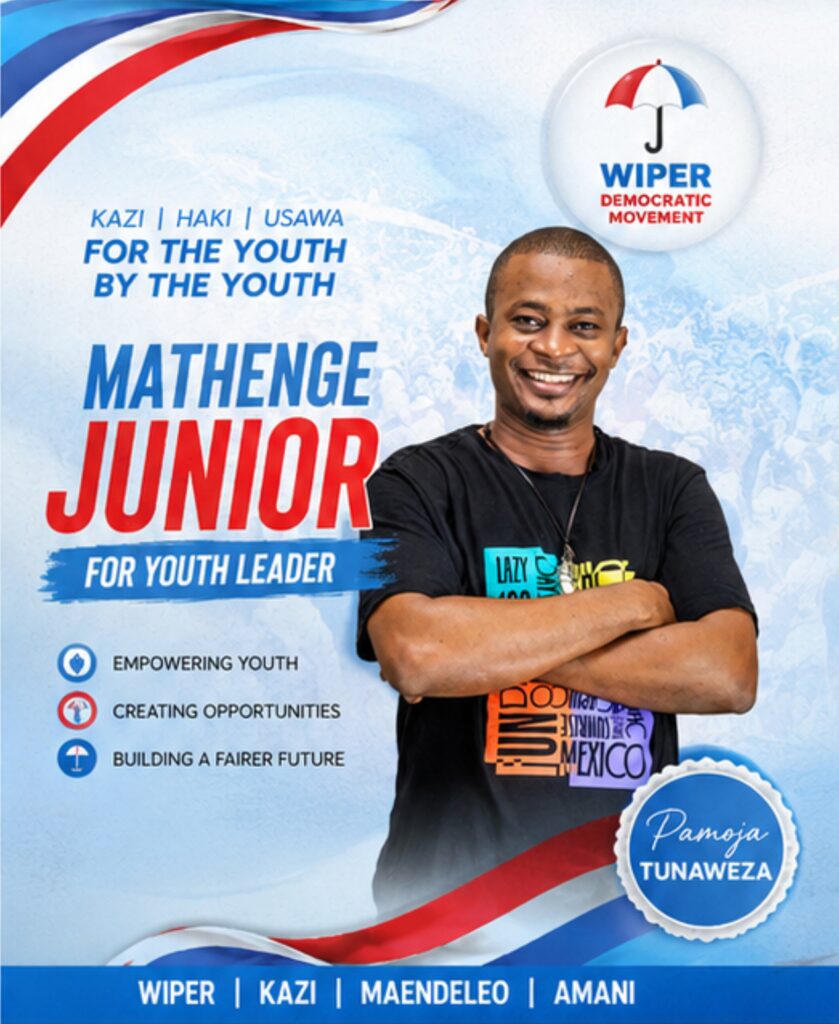
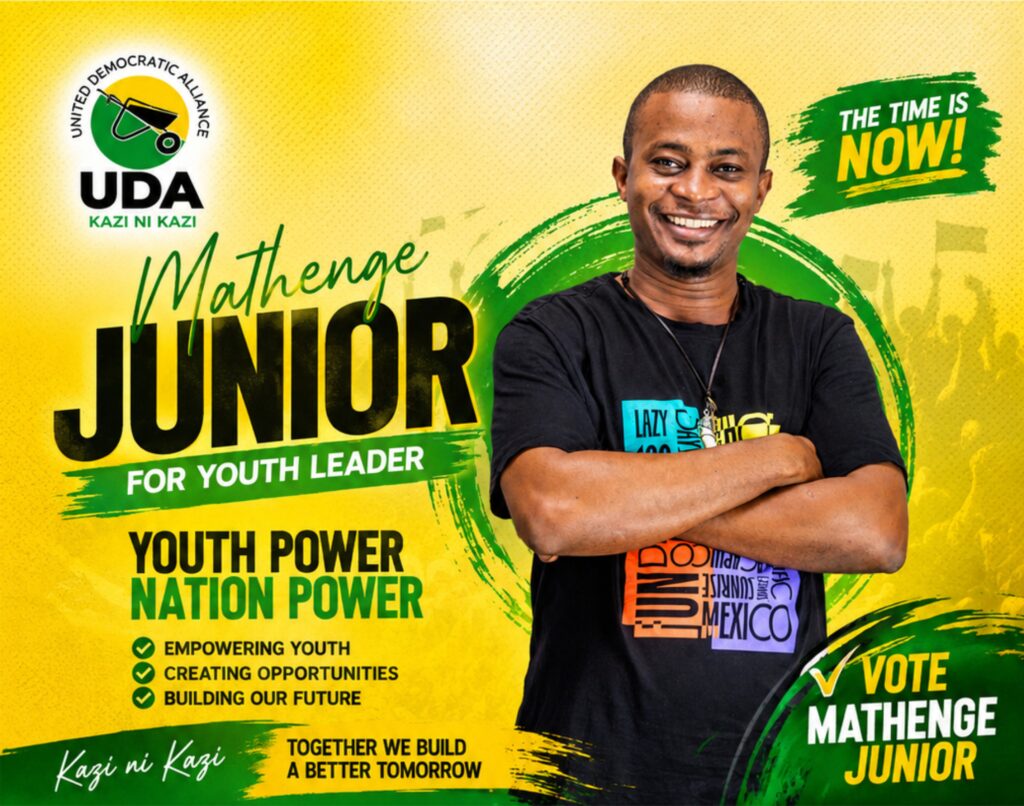
✅ You have a blurry AI concept? I will remaster it, fix the anatomy, and upscale it to true 300 DPI print resolution. No more mushy faces.
✅ You don’t know how to prompt? No problem. Tell me the vibe you want (“edgy,” “soft,” “corporate minimalist”), and I will engineer the prompts to avoid the classic “six-finger” disasters.
✅ You need it to print? I handle the bleed, the color profiles (CMYK vs RGB), and the vector conversions so your artwork doesn’t look like a melted crayon on paper.
The Bottom Line
AI is an amazing partner. It is a terrible finisher.
Don’t settle for “almost perfect.” Don’t print that weird, low-res image that might embarrass you later. Let’s take the raw power of AI and filter it through the trained eyes of a human designer.
Ready to turn your AI dream into a print-ready masterpiece?
👉 Contact Josiah Design today. We’ll handle the pixels, the prompts, and the pressure so you can take all the credit for the brilliance.
Call us today at 0700 33 55 34
 Email: sale@josiahdesign.co.ke